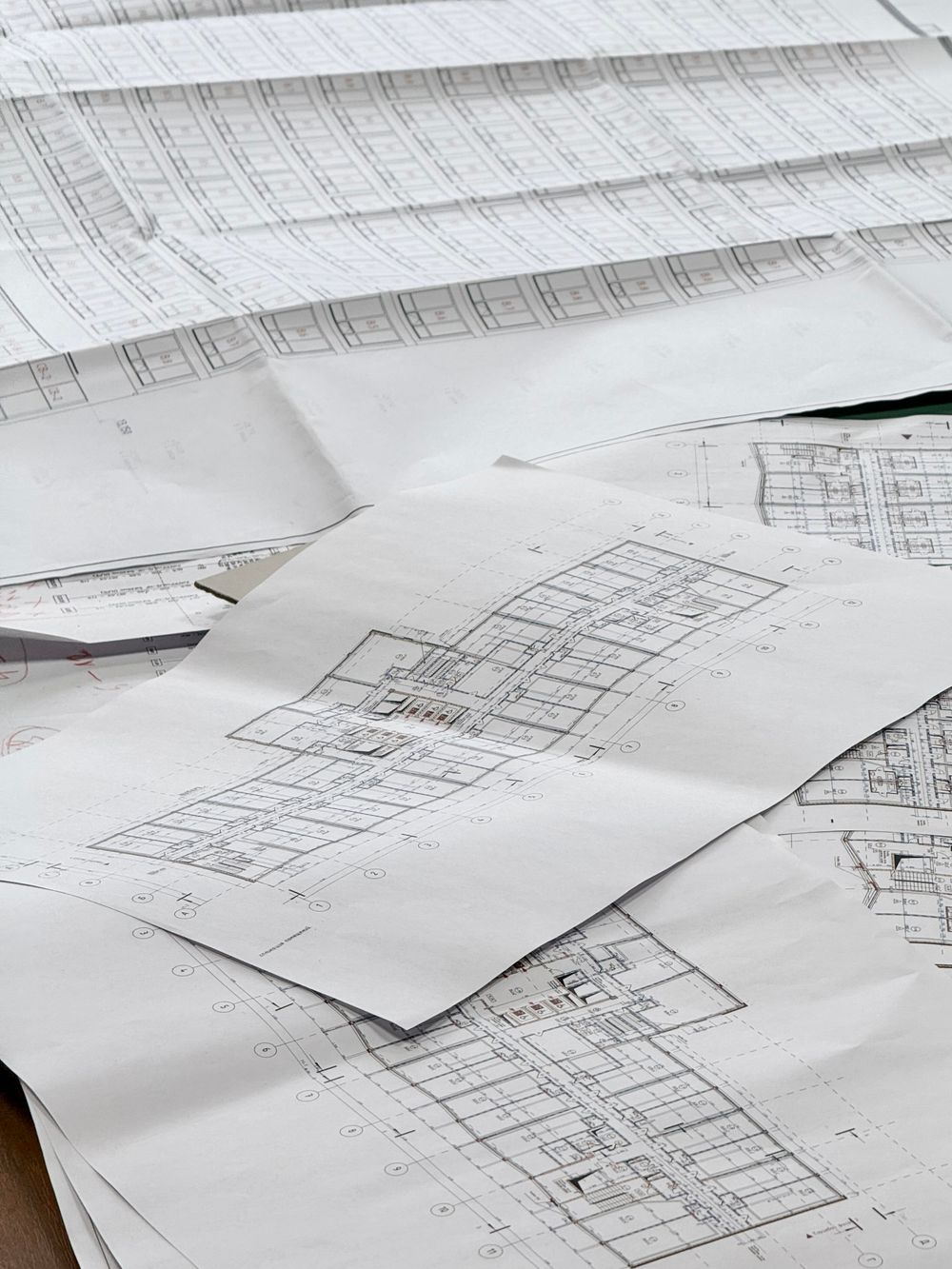
We read the palette you have
We start from your drawings and mark what’s decided, what’s a placeholder, and what’s a claim.
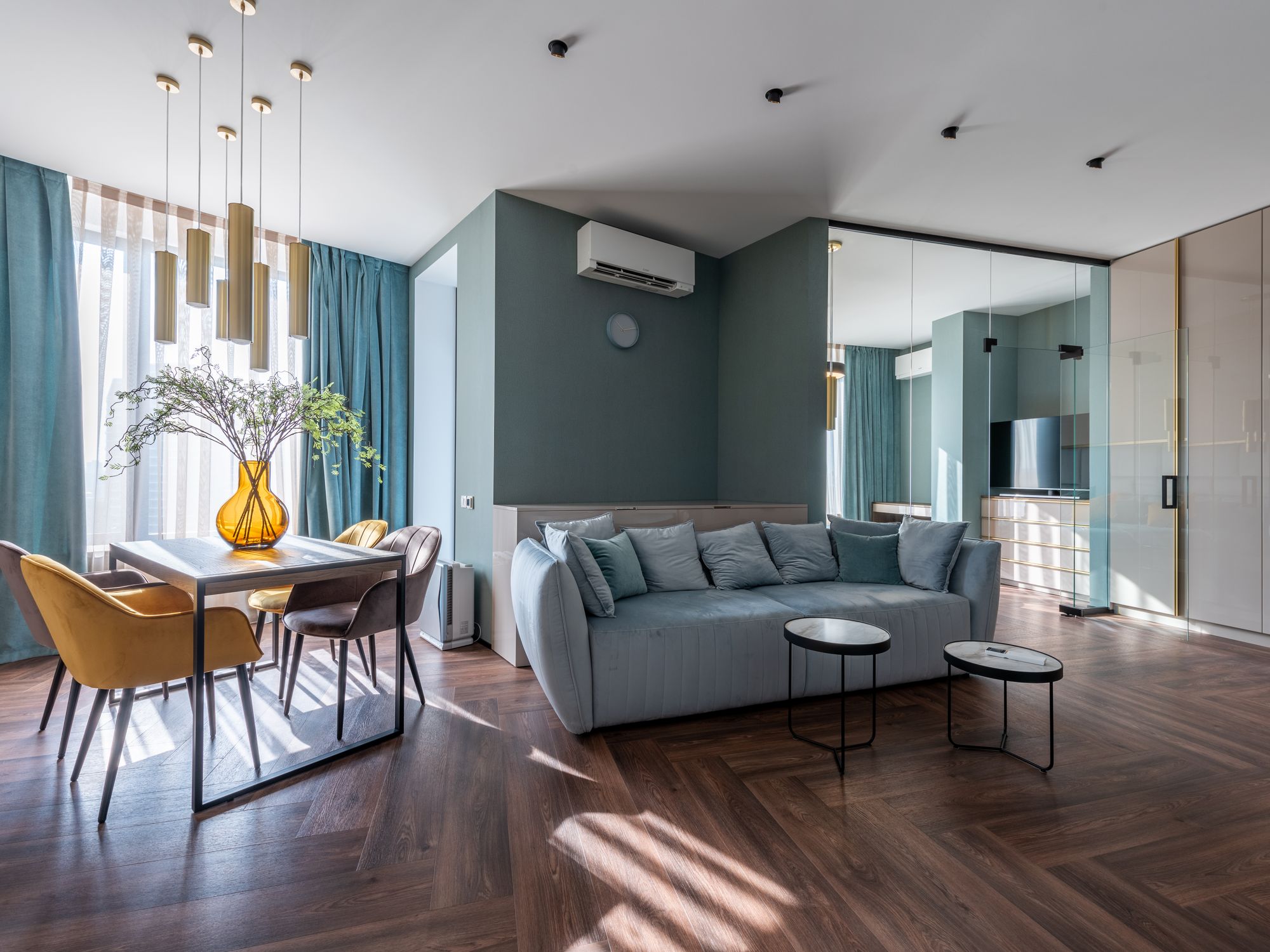
The material decision is the one a building lives with longest. We source it, vet it, sample it in real light, and write claims you can defend.
We start from your drawings and mark what’s decided, what’s a placeholder, and what’s a claim.
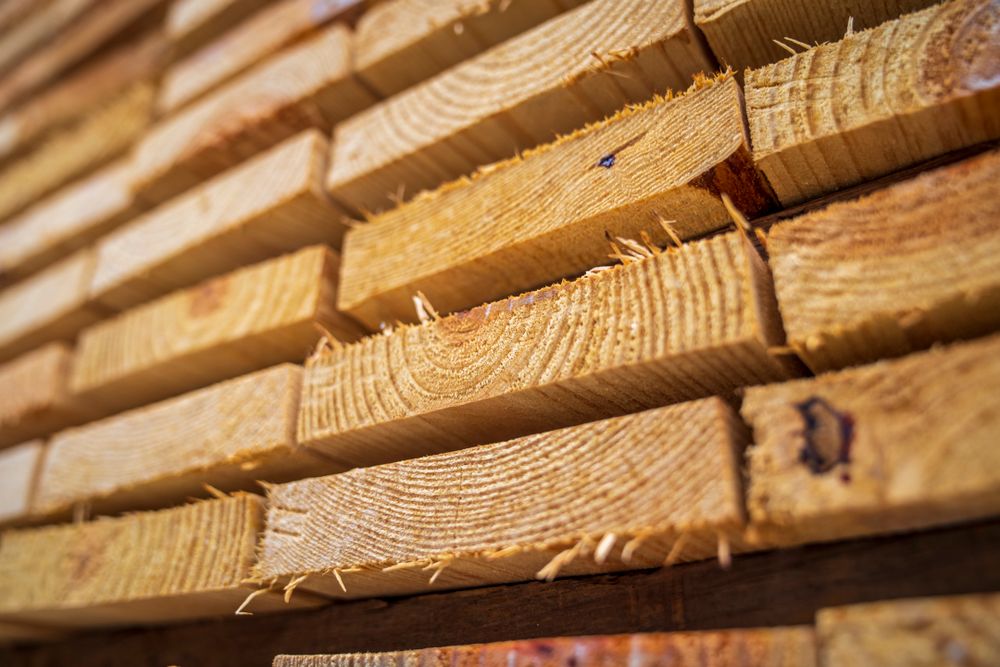
We go to the makers: certified timber, lime and clay, natural textiles, full ingredient disclosure.
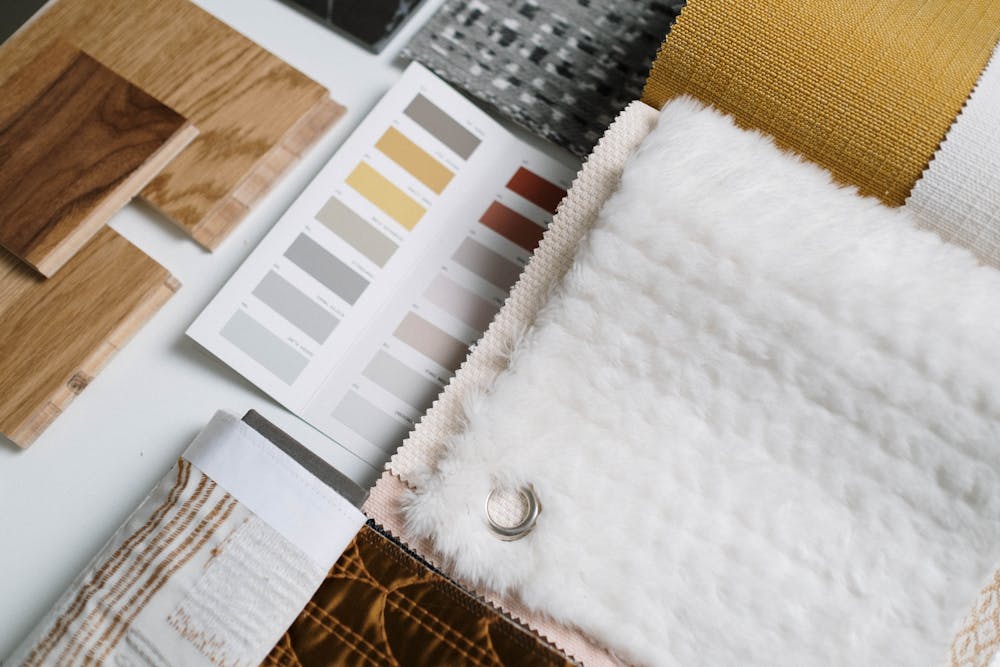
We build sample sets and view them in your space, at the times of day the room is used.

Every material comes with its receipt: certification, VOC figures, end-of-life route, and its maker.

Daylight in a working office moves through a wide swing of colour temperature across the day, and most acoustic and surface finishes are chosen, signed off, and installed without ever being seen in it. That is how a room ends up looking nothing like the render.
We bring the candidate palette into the space and read it at the hours the room is used. Warm low sun raises the red in timber and clay. A palette that holds up to a question is one where every answer was found before the question was asked.
Every selection named to the specific product, finish, and maker, with substitutes ranked behind each one in case of a lead-time problem. No generic line items that a contractor can quietly downgrade.
Two assembled sets: one for the studio, one to live on site under real light. Soft and hard materials shown together in the adjacencies they will actually meet, not as isolated swatches on a card.
One page per material: certification numbers, recycled and bio-based content, VOC and formaldehyde figures, fire classification, and the documented end-of-life route. Written to survive a procurement audit and to slot into a green-building submission.
Where each material comes from, the named supplier, minimum order, lead time, and an honest note on price volatility. So the people ordering know exactly what they are committing to.
How each surface behaves over five years: what patinas, what scratches, what needs re-oiling, and what should never see a standard cleaning product. The room stays good because someone wrote down how to keep it good.
Behind them, on materials only. We do not touch the plan, the layout, or the design intent. We take the palette your designer is working toward and make it real and defensible: sourcing, sampling, vetting, and the claims pack. Your design team stays in charge of the room.
A document behind it. We only put a figure on the page if we can trace it to a certificate, a manufacturer declaration, or an EPD. FSC chain-of-custody for timber, ingredient disclosure for paints and plasters, measured VOC and formaldehyde figures, and a real end-of-life route. Where the proof does not exist, we say the claim cannot be made rather than soften it. That is what survives an assessor.
Sometimes, in the line item; rarely, in the room. A lime ceiling costs more than a painted plasterboard one and lasts three times as long without recoating. Solid oak slats cost more than laminate panelling and don't need replacing in year seven. The defensible question is not what a material costs to install but what it costs to keep, and the better answer is almost always the lower one.
Usually six to ten weeks alongside your design team. The variable is how much of the palette has to be sourced from scratch versus tightened from selections you already have. Sample assembly and the week we leave difficult adjacencies sitting together under real light are fixed parts of every engagement and we do not compress them.

Tell us where the office is, who works in it, and what it feels like on a difficult afternoon. We will read it back to you.
Begin a brief Take your first step towards a sustainable future.