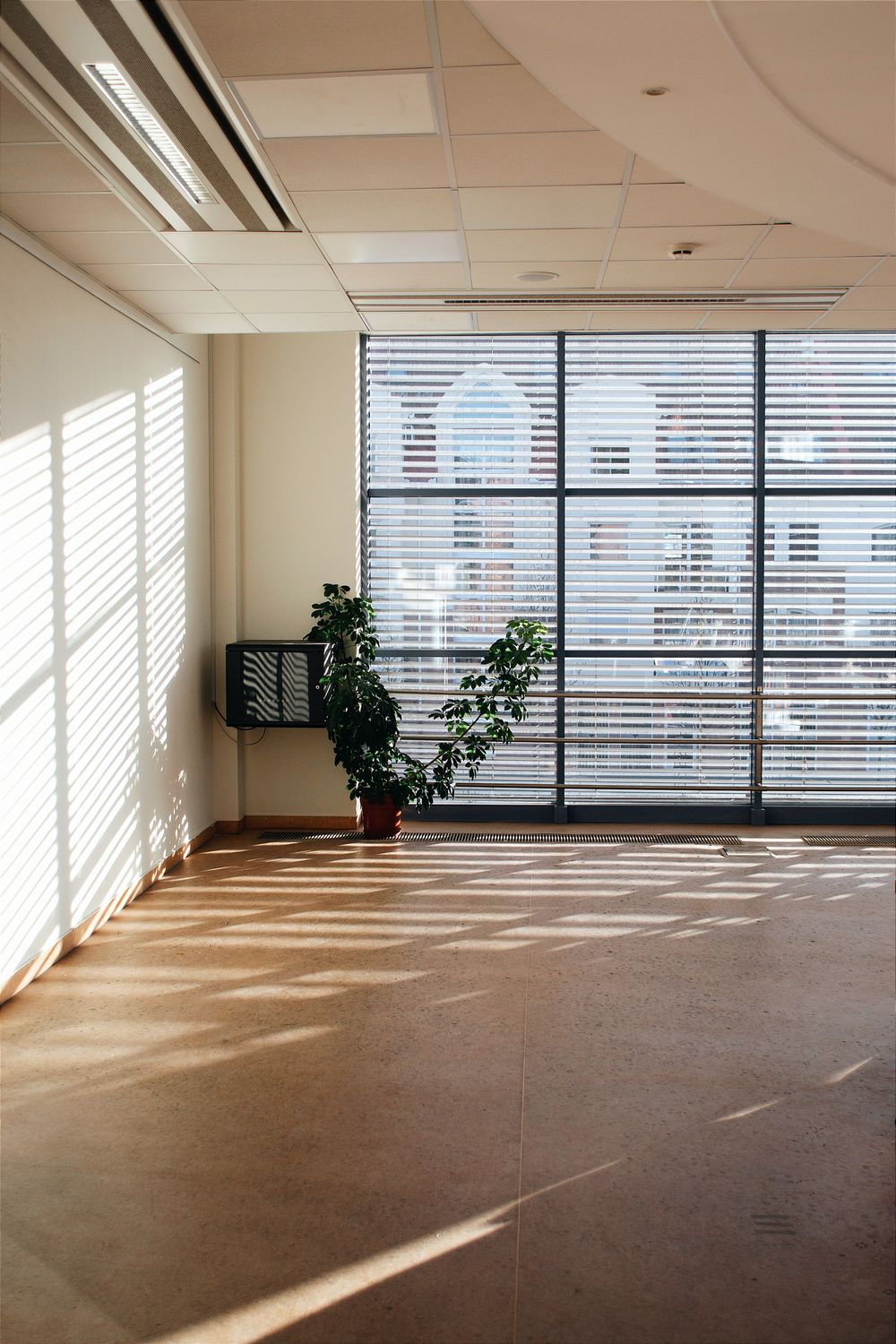
We measure the climate, not the look
We log daylight, glare, sound and air across the floor, not just how it looks.

A short, standalone study of what your office is really doing, written up as a ranked set of moves the room is asking for.
We log daylight, glare, sound and air across the floor, not just how it looks.
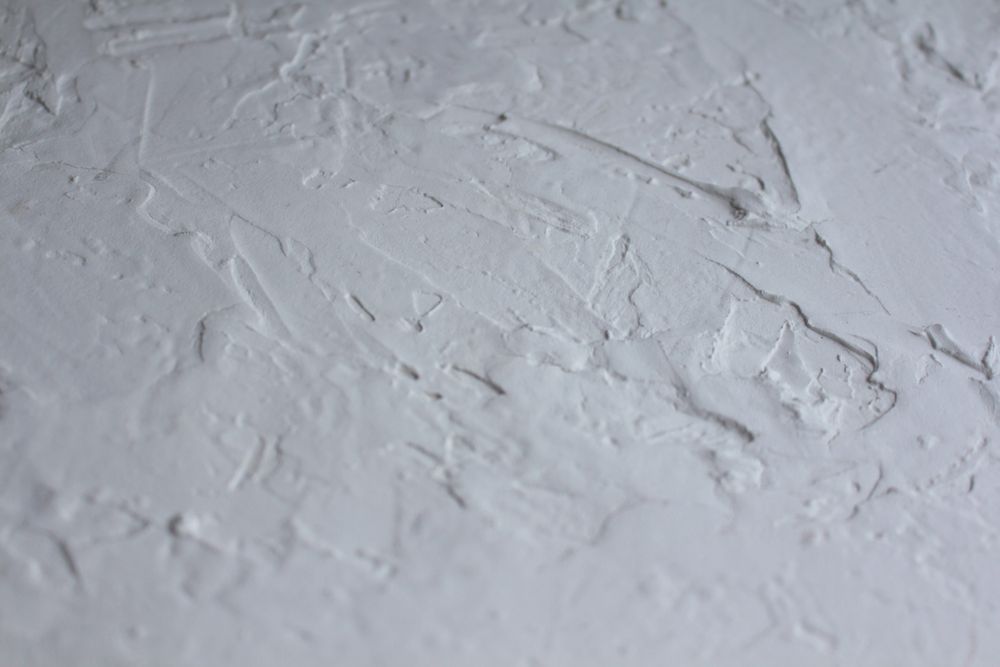
Surface by surface, we find what’s making the room loud, cold or tiring.
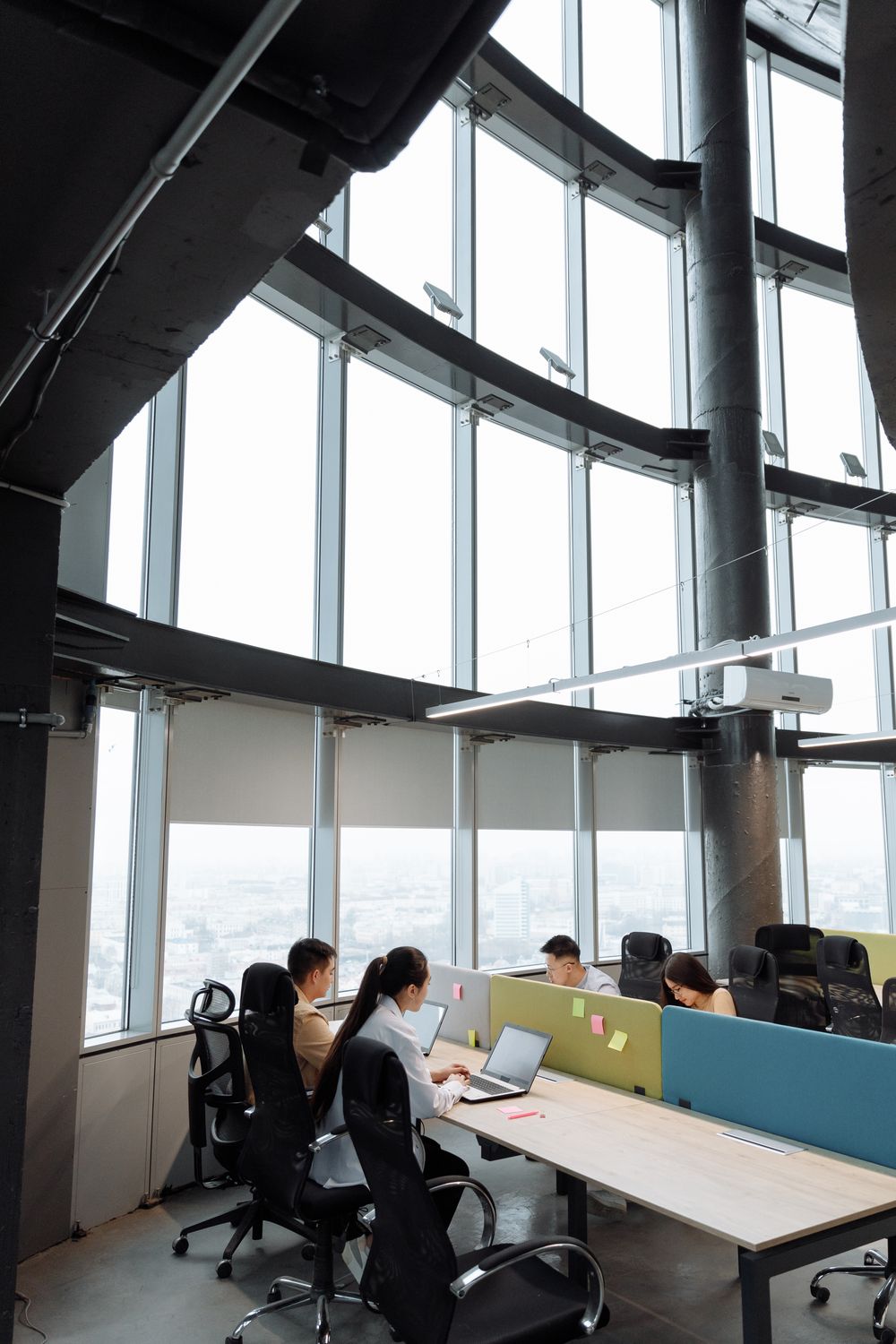
We sit in it and watch how people actually use the space through the day.

You get a written reading in plain English: what the room is doing, and a ranked set of moves.

Plenty of offices are good rooms being let down by two or three fixable things, and the reading finds them, ranks them, and sends you off to fix them.
When a reading does lead to a restructure, nothing is repeated. The week we spent measuring becomes the foundation of the design, the baseline we improve against, and the reason the brief is right from the first drawing.
A fifteen to twenty page document, in plain language, that you own outright. It states what is wrong, why, and what each fix would change. You can act on it yourself, hand it to your own contractor, or bring it back to us. It is yours either way.
Every recommendation ordered by what it changes per pound spent, from a planting regime and acoustic panels you could action next week, to the structural light and air work that needs a full restructure. Each move carries its measured evidence and a cost band, so nothing on the list is a guess.
Your daylight, air and acoustic readings recorded against recognised benchmarks, the WELL air and light thresholds among them, so you can see exactly where the room sits today and have something to measure any future work against.
We talk you through the reading in person or on a call, answer the awkward questions, and help you decide what is worth doing now, what can wait, and whether the room needs fixing or redesigning.
We are on site across a normal working week, roughly five days, because the measurements that matter only show up while the office is being used. There is no construction and nothing to clear. We log light, air and sound in the background while your team works as usual. You receive the written reading about a week after we leave.
No. A reading is deliberately standalone. Many offices need fixing rather than redesigning, and if that is yours, the document will say so and send you off to do it, with us or without us. If you do go on to a full restructure, the reading fee comes off the design stage, so the work is never paid for twice.
Daylight in lux at desk height across the floor and through the day, CO2 in parts per million in the rooms people actually use, reverberation and ambient noise in decibels, and the condition of any existing planting and surfaces. We record everything against recognised benchmarks, including the WELL air and light thresholds, so the readings mean something beyond our opinion.
Yes. The document is written in plain English and you own it. Plenty of clients take a reading straight to the team they already have. The ranked moves and the measured baseline are exactly what a good designer or contractor needs to scope the work properly.

Tell us where the office is, who works in it, and what it feels like on a difficult afternoon. We will read it back to you.
Begin a brief Take your first step towards a sustainable future.